
Trump signs executive order aimed at expanding workers’ access to retirement plans, boosting savings opportunities for employees and small businesses.
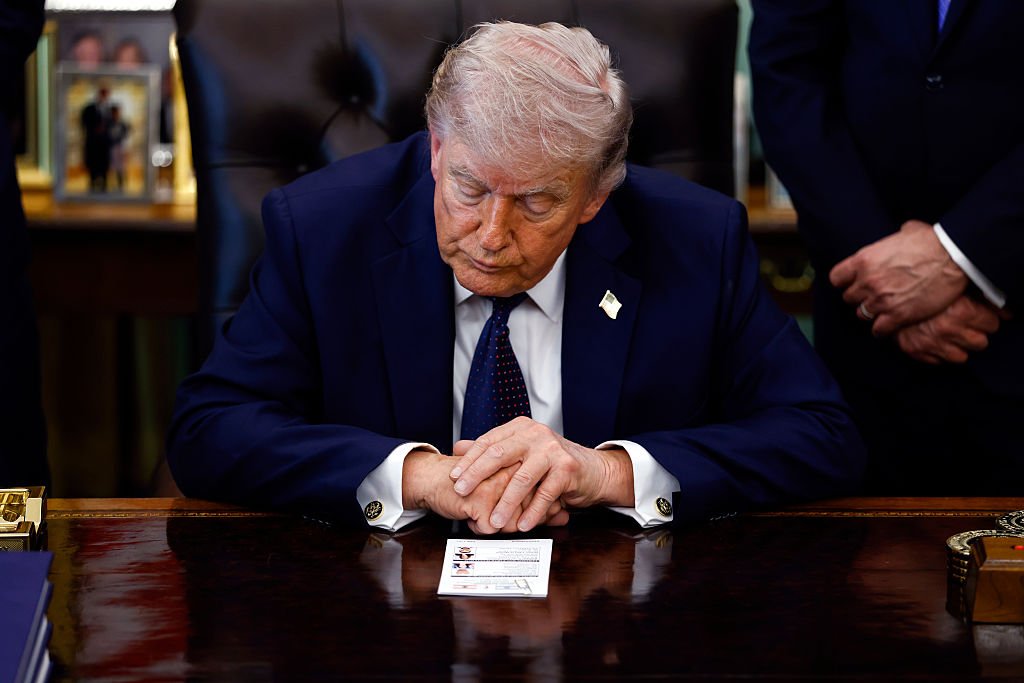
Trump Signs Executive Order Expanding Workers Access to Retirement Plans
Former President Donald Trump has signed an executive order focused on expanding workers’ access to retirement plans, a move designed to help millions of Americans save more effectively for their future. The order aims to make retirement savings plans more accessible, especially for employees of small businesses and workers who currently lack employer-sponsored options.
The announcement has sparked widespread discussion among policymakers, employers, and financial experts. Supporters say the measure could improve long-term financial security for workers, while critics argue that implementation details will determine its real impact.
What the Executive Order Means
The executive order is intended to remove barriers that prevent many businesses, particularly small and medium-sized companies, from offering retirement plans such as 401(k)s or pension-style savings programs. Many smaller employers avoid offering such plans because of administrative costs, legal complexities, and compliance requirements.
By easing regulations and encouraging new retirement plan structures, the administration hopes to make it easier for businesses to participate. This could result in more workers gaining access to tax-advantaged savings accounts.
According to financial analysts, millions of workers in the United States still do not have access to employer-sponsored retirement plans. Expanding these opportunities could help narrow the retirement savings gap.
Focus on Small Businesses and Gig Workers
One major focus of the order is increasing retirement plan availability for employees of small businesses. Large corporations often provide comprehensive retirement benefits, but many smaller companies struggle to do so.
The executive order may also benefit gig economy workers, freelancers, and independent contractors. As the workforce changes, more Americans are earning income through flexible or contract-based jobs that do not traditionally offer retirement benefits.
Experts note that allowing more portable and flexible retirement options could make saving easier for this growing segment of the workforce.
Potential Economic Impact
Expanding retirement savings access can have broader economic effects. When workers save more, they may become less dependent on public assistance programs in retirement. Greater personal savings can also contribute to long-term investment growth in the economy.
Economists say improved retirement preparedness can strengthen household financial stability. Workers with savings are often better able to handle emergencies and plan for major expenses later in life.
However, some experts caution that simply offering plans is not enough. Participation rates depend on wages, financial literacy, and automatic enrollment policies.
Supporters Praise the Move
Supporters of the executive order describe it as a practical step toward helping American workers build financial security. Business groups have welcomed efforts to reduce red tape for employers who want to offer retirement benefits.
They argue that easier access to retirement plans can help businesses attract talent and improve employee satisfaction. In a competitive labor market, benefits packages often play a key role in recruitment and retention.
Some policymakers also view the move as a market-based solution that expands private savings rather than relying solely on government programs.
Critics Raise Concerns
Despite praise from supporters, critics say executive orders alone may not solve the retirement crisis facing many workers. Low-income employees may still struggle to contribute to retirement accounts, even if access improves.
Others have raised questions about regulatory oversight and whether new plan models will provide strong consumer protections. Retirement products can be complex, and experts stress the need for transparency regarding fees and investment risks.
Critics also note that long-term retirement reform may require congressional action rather than executive measures alone.
Why Retirement Access Matters
Retirement planning remains a major challenge for many Americans. Rising living costs, healthcare expenses, and longer life expectancy mean workers need larger savings to maintain their quality of life after leaving the workforce.
Without employer-sponsored plans, workers are often less likely to save consistently. Payroll deduction systems, employer matches, and automatic enrollment have historically increased participation.
That is why expanding access to workplace retirement plans is seen as a critical policy issue across political lines.
Conclusion
Trump’s executive order expanding workers’ access to retirement plans highlights the growing urgency of retirement security in the United States. By focusing on small businesses, gig workers, and regulatory barriers, the order seeks to bring savings opportunities to millions who currently lack them.
While supporters see it as a positive step toward financial independence, critics argue that more comprehensive reforms may still be needed. Ultimately, the success of the policy will depend on how effectively it is implemented and whether workers can actively participate in the plans made available.
FAQ
What is the purpose of Trump’s executive order on retirement plans?
The order aims to expand workers’ access to retirement savings plans, especially for employees of small businesses and non-traditional workers.
Who could benefit from the order?
Small business employees, gig workers, freelancers, and workers without employer-sponsored retirement plans may benefit.
Why are retirement plans important?
They help workers save for the future, reduce financial stress in retirement, and build long-term financial security.
Will this solve the retirement savings gap?
It may improve access, but experts say wages, participation rates, and broader reforms also play important roles.