
CDC warns of a drug-resistant salmonella outbreak linked to backyard chickens and ducks. 34 people infected, mostly children, with 13 hospitalized.
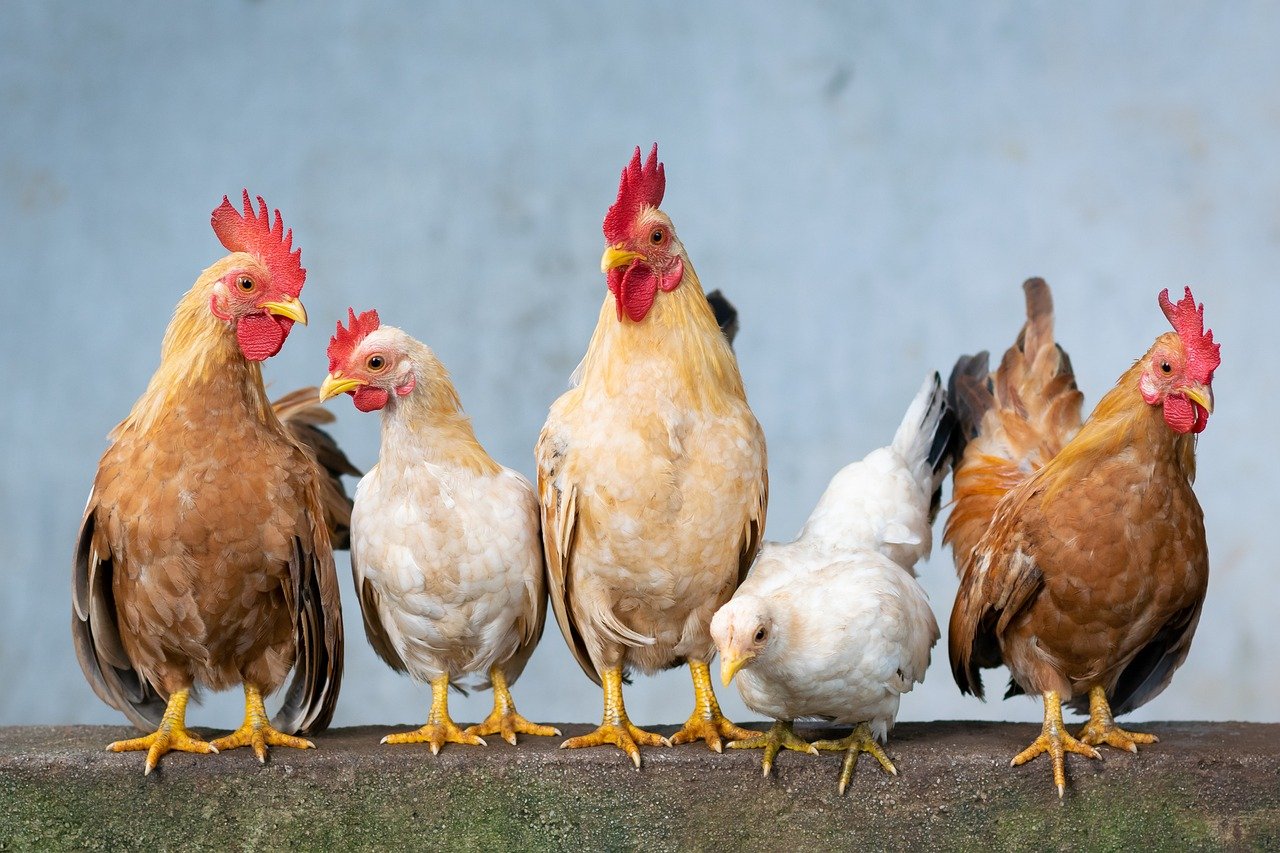
CDC Issues Warning About Drug-Resistant Salmonella Outbreak Linked to Backyard Poultry
The U.S. Centers for Disease Control and Prevention (CDC) has issued a warning about a drug-resistant salmonella outbreak that has sickened 34 people across multiple states, with most cases involving children. Health officials say the outbreak is connected to backyard poultry, including chickens and ducks.
According to the CDC, 13 people have been hospitalized, and the actual number of infections is likely much higher than confirmed reports.
Outbreak Linked to Backyard Chickens and Ducks
The CDC investigation found that the outbreak is associated with the bacterial strain Salmonella Saintpaul, which may be resistant to the antibiotic fosfomycin. This medication is sometimes used when other antibiotics fail to treat salmonella infections.
Officials say many infected individuals had exposure to backyard poultry or their environment.
People do not need to directly touch birds to become infected. The bacteria can spread through contaminated surfaces, cages, feeders, or outdoor areas where poultry are kept.
Children Most Affected in the Outbreak
Health authorities report that the ages of infected patients range from under 1 year old to 78 years old. The median age is 12 years, showing that younger people are heavily impacted.
Nearly half of the confirmed cases involve children aged 5 or younger, raising concern among public health experts.
Young children are at higher risk of severe salmonella illness because their immune systems are still developing.
States Reporting Cases
The outbreak has mostly affected Midwestern states, with the highest number of cases reported in:
- Michigan
- Ohio
- Wisconsin
However, additional infections have also been identified in:
- Maine
- Florida
The CDC warns that the outbreak could be more widespread than current data suggests.
Symptoms of Salmonella Infection
Most people infected with salmonella experience symptoms such as:
- Diarrhea
- Fever
- Stomach cramps
- Nausea
- Vomiting
Symptoms usually begin 6 hours to 6 days after exposure and can last several days.
While many people recover without treatment, some cases can become serious.
Who Is Most at Risk?
The CDC says severe illness is more likely in:
- Children under age 5
- Adults over age 65
- People with weakened immune systems
In serious cases, salmonella can lead to dehydration and hospitalization.
CDC Safety Advice for Backyard Poultry Owners
To reduce the risk of infection, the CDC recommends:
- Wash hands thoroughly after touching birds or their environment
- Keep poultry outside the home
- Do not kiss or snuggle chickens or ducks
- Supervise children around backyard poultry
- Clean equipment outdoors only
These simple steps can lower the chances of spreading bacteria.
Why Drug Resistance Is Concerning
Drug-resistant bacteria are harder to treat because common antibiotics may not work. This can lead to longer illness, more severe infections, and increased hospitalization risk.
Public health officials continue monitoring the outbreak and testing bacterial samples.
Conclusion
The CDC’s warning about this drug-resistant salmonella outbreak highlights the risks associated with backyard poultry, especially for young children. With 34 confirmed cases and 13 hospitalizations, health experts urge families to practice hygiene and stay alert for symptoms.
Anyone experiencing severe illness after exposure to poultry should seek medical care immediately.
FAQ
What caused the CDC salmonella outbreak?
The outbreak has been linked to backyard poultry such as chickens and ducks carrying Salmonella Saintpaul bacteria.
How many people were infected?
A total of 34 confirmed cases have been reported so far.
Are children most affected?
Yes, many cases involve children, and nearly half are aged 5 or younger.
What are salmonella symptoms?
Common symptoms include diarrhea, fever, stomach cramps, nausea, and vomiting.
How can I stay safe around backyard chickens?
Wash hands after contact, keep birds outdoors, and avoid touching your face or food after handling poultry.